Kenmore Washer Dryer Stackable Manual: A Comprehensive Guide
Navigating this manual ensures optimal performance and longevity of your Kenmore stackable unit, referencing resources like YouTube for visual guidance (Nov 26, 2022).
© 2026 Google LLC
Understanding Your Kenmore Stackable Unit
Kenmore stackable washer-dryer combinations offer a space-saving laundry solution, integrating washing and drying into a single, vertically arranged unit. This design is ideal for apartments, condos, or homes with limited laundry room space. Understanding the core functionality of both the washer and dryer components is crucial for efficient operation and troubleshooting.
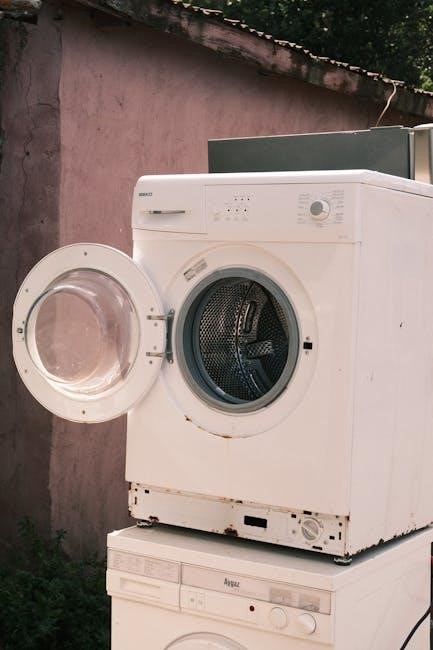
These units typically feature a standard washer at the base, with the dryer securely stacked on top. Proper installation and stacking are paramount for safety and preventing damage, as outlined in the installation guide. Familiarize yourself with the control panels for both machines, noting the cycle selections, temperature settings, and any specialized features.
Resources like YouTube (as of Nov 26, 2022) can provide visual demonstrations of operation and maintenance. Regularly consulting the full manual ensures you’re maximizing the unit’s capabilities and addressing any potential issues promptly.
© 2026 Google LLC
Model Number Identification & Importance
Locating your Kenmore stackable unit’s model number is the first step towards accessing specific support and replacement parts. This unique identifier, typically found on a label inside the washer door, on the dryer’s back panel, or within the user manual, is essential for accurate information retrieval.
The model number dictates compatibility with specific parts, troubleshooting guides, and software updates. Without it, obtaining the correct assistance can be significantly delayed. When contacting Kenmore customer support or searching for online resources, always have this number readily available.
Utilizing online platforms, like YouTube (referenced Nov 26, 2022), often requires the model number to filter for relevant repair videos or user forums. Accurate identification ensures you’re receiving guidance tailored to your specific Kenmore stackable unit, maximizing the effectiveness of any maintenance or repair efforts.
© 2026 Google LLC
Locating the Manual Online
While a physical manual accompanies your Kenmore stackable washer and dryer, accessing it online offers convenience and potential access to updated information. The official Kenmore website is the primary source, often requiring your model number for a precise search.
Numerous third-party websites archive appliance manuals, but verifying the source’s reliability is crucial. Searching with your complete model number and “manual” as keywords will yield the most relevant results. Platforms like YouTube (as of Nov 26, 2022) can also host user-uploaded manuals or instructional videos.
Downloading a digital copy allows for easy storage and searching, eliminating the risk of losing a paper manual. Ensure the downloaded file is from a trusted source to avoid malware or inaccurate information. Always cross-reference with Kenmore’s official support channels when possible.
© 2026 Google LLC
Common Kenmore Stackable Washer Dryer Models
Kenmore offers a diverse range of stackable washer and dryer models, catering to various laundry needs and budgets. Identifying your specific model is paramount for accessing the correct manual and troubleshooting information.
Popular series include the 800, 600, and 500 series, each with unique features and capacities. Within these series, variations exist based on color, cycle options, and smart technology integration. Common models feature 27-inch widths for standard laundry spaces.
Resources like appliance retailers’ websites and Kenmore’s official site provide model lists and specifications. Remember that model numbers are crucial for accurate manual retrieval, as even slight variations can indicate different components or functionalities. Utilizing online platforms, like YouTube (Nov 26, 2022), can offer visual model identification assistance.
© 2026 Google LLC
Washer Operation & Troubleshooting
Effectively operating your Kenmore washer involves proper loading, detergent use, and cycle selection, aided by online resources for common error solutions.
© 2026 Google LLC
Loading & Unloading Procedures
Prior to loading, always ensure the washer drum is empty of any previous items or debris. Distribute laundry evenly around the drum’s center to maintain balance during the wash cycle; avoid overloading.
For optimal cleaning, do not tightly pack items. When loading, consider separating delicate fabrics from heavier ones. After the cycle completes, promptly remove clothes to prevent mildew.
Always check pockets for objects that could damage the machine or other garments. Unloading should be done carefully, especially with wet items, to avoid spills.
Refer to online resources, such as YouTube (Nov 26, 2022), for visual demonstrations of proper loading techniques and safe unloading practices for your Kenmore stackable unit.
© 2026 Google LLC
Detergent Dispenser Guide
Your Kenmore stackable washer features a multi-compartment dispenser for detergent, fabric softener, and bleach. Always use High Efficiency (HE) detergent specifically formulated for front-load washers to prevent excessive suds.
The detergent compartment is typically marked with a “II” or a detergent symbol. Fill to the maximum line, adjusting based on load size and soil level. Fabric softener goes in the compartment marked with a flower symbol; never overfill.
Bleach should be diluted with water before adding to its designated compartment. Regularly clean the dispenser to prevent buildup and ensure proper dispensing.
For visual guidance on locating and utilizing the dispenser, explore online resources like YouTube (Nov 26, 2022) for helpful demonstrations tailored to your Kenmore model.
© 2026 Google LLC
Common Washer Error Codes & Solutions
Kenmore washers utilize error codes to diagnose issues. A common code, “F01,” often indicates a water supply problem – check the inlet hoses for kinks or obstructions. “F02” suggests a drain issue; inspect the drain hose and pump filter for clogs.
Error “LE” signals an imbalance during the spin cycle; redistribute the load evenly. If “OE” appears, it indicates an overfill condition – turn off the water supply and drain the washer.
Consult your Kenmore manual for a complete list of codes and solutions. Online resources, such as YouTube (Nov 26, 2022), can provide visual troubleshooting assistance.
Remember to disconnect power before attempting any repairs. If the error persists, contact Kenmore customer support for professional assistance.
© 2026 Google LLC
Washer Cycle Selection Explained
Kenmore washers offer diverse cycles for varied laundry needs. The “Normal” cycle suits everyday items, while “Delicates” gently cleans lingerie and silks. “Permanent Press” minimizes wrinkles in synthetic fabrics. For heavily soiled clothes, utilize the “Heavy Duty” cycle.
A “Quick Wash” cycle provides a faster, shorter cleaning option for lightly soiled loads. “Bulky Items” accommodates comforters and blankets. “Sanitize” uses higher temperatures to eliminate bacteria.
Refer to your Kenmore manual for detailed cycle descriptions and recommended load sizes. Online resources, like YouTube (Nov 26, 2022), may offer demonstrations.
Proper cycle selection optimizes cleaning performance and protects your garments.
© 2026 Google LLC
Dryer Operation & Troubleshooting
Efficient drying relies on proper cycle selection and maintenance, potentially aided by online resources like YouTube (Nov 26, 2022) for guidance.
© 2026 Google LLC
Lint Filter Maintenance & Cleaning
Maintaining a clean lint filter is paramount for dryer safety and efficiency. A clogged filter restricts airflow, leading to longer drying times, increased energy consumption, and potentially a fire hazard. Always clean the lint filter before or after each load, removing all traces of lint buildup.
The filter is typically located inside the dryer drum, near the door opening. Gently remove the filter and use your fingers or a soft brush to dislodge any remaining lint. Periodically, you should wash the lint filter with mild soap and water to remove any fabric softener residue that may accumulate, hindering airflow. Ensure the filter is completely dry before reinstalling it.
Referencing online resources, such as YouTube (Nov 26, 2022), can provide visual demonstrations of proper lint filter cleaning techniques. Ignoring this crucial maintenance step can compromise your dryer’s performance and safety.
© 2026 Google LLC
Dryer Cycle Settings & Usage
Understanding your Kenmore dryer’s cycle settings is key to achieving optimal drying results and protecting your garments. Common settings include Normal, Delicate, Timed Dry, and Air Fluff. Normal is ideal for everyday fabrics like cotton and towels. Delicate provides gentle heat for sensitive items. Timed Dry allows you to set a specific drying duration, while Air Fluff offers no heat, perfect for refreshing clothes or drying items that shouldn’t be exposed to heat.
Always check garment care labels before selecting a cycle. Over-drying can cause shrinkage and damage. Utilize moisture sensors, if equipped, for automatic shut-off. Resources like YouTube (Nov 26, 2022) may offer helpful demonstrations of cycle usage.
© 2026 Google LLC
Common Dryer Error Codes & Solutions
Kenmore dryer error codes signal specific issues requiring attention. A common code, “E1” or “F1”, often indicates a heating element failure, potentially needing replacement. “E2” or “F2” suggests a thermostat issue, disrupting temperature regulation. “LE” signifies a moisture sensor problem, impacting auto-dry functionality. “LO” indicates low voltage, check the power supply.
Before assuming a major repair, verify the lint filter is clean and the vent is unobstructed. Consult your Kenmore manual for detailed code explanations. Online resources, like YouTube (Nov 26, 2022), can provide visual troubleshooting guides. If issues persist, professional service is recommended.
© 2026 Google LLC
Ventilation Requirements & Safety
Proper dryer ventilation is crucial for safety and efficiency. Kenmore dryers require a rigid or flexible metal vent, never plastic or foil, with a diameter of 4 inches. The vent should be as short and straight as possible, minimizing bends to reduce lint buildup. Exterior vents must have a properly functioning damper to prevent backdrafts.
Regularly inspect and clean the vent duct to prevent fire hazards. Accumulated lint restricts airflow, causing overheating and potential combustion. Refer to your manual for specific ventilation guidelines. Resources like YouTube (Nov 26, 2022) offer visual demonstrations of vent cleaning. Prioritize safety by disconnecting power before any maintenance.
© 2026 Google LLC

Stacking & Installation
Securely stacking requires a compatible kit, ensuring stability and preventing damage. Proper electrical and water connections are vital for safe operation, as per the manual.
© 2026 Google LLC
Proper Stacking Procedure & Safety Precautions
Before attempting to stack your Kenmore washer and dryer, ensure both units are disconnected from power and water supplies. A stacking kit, specifically designed for your models, is absolutely essential for stability and safety – do not operate without one!
Carefully follow the kit’s instructions, typically involving brackets that secure the dryer to the washer. Always lift with your legs, not your back, and consider having a helper to manage the weight. Verify the stacked unit is level; unevenness can cause vibrations and potential damage.
Crucially, never stack a washer on top of a dryer. The washer’s movement during operation can compromise the dryer’s stability. Regularly inspect the stacking kit for any signs of loosening or wear, and tighten as needed. Prioritize safety to prevent accidents and maintain the longevity of your appliances.
© 2026 Google LLC
Electrical Requirements & Grounding
Your Kenmore stackable washer and dryer require a dedicated 120-volt, 60Hz electrical circuit, with a properly grounded three-prong outlet. Do not use extension cords or adapters, as they can pose a fire hazard and void your warranty.
Proper grounding is paramount for safety, preventing electrical shock and protecting your appliances from damage. The appliance must be grounded according to local electrical codes. If you are unsure about your home’s electrical system, consult a qualified electrician.
Verify the outlet’s voltage matches the appliance’s specifications (found on the model plate). Never attempt electrical repairs yourself; always rely on a certified professional. Regularly inspect the power cord for any signs of damage and replace it immediately if necessary.
© 2026 Google LLC
Water Supply Connection Guide
Connect the washer to a cold water supply using the provided inlet hoses. Ensure the hoses are securely tightened to both the faucet and the washer, preventing leaks. Do not reuse old hoses; always use the new ones included with your Kenmore unit.
Check for kinks or obstructions in the hoses before connecting. A water hammer arrestor is recommended to minimize noise and protect your plumbing. The water pressure should be between 20 and 100 psi.
Before starting the washer, slowly turn on the water supply and inspect all connections for leaks. If leaks are detected, immediately turn off the water and tighten the connections further. Proper water connection is crucial for optimal washer performance and preventing water damage.
© 2026 Google LLC
Maintenance & Care
Regular upkeep extends your Kenmore’s life; cleaning and preventative measures are key. Consistent drum cleaning and filter maintenance ensure peak efficiency and performance.
© 2026 Google LLC
Regular Cleaning Schedule
Establishing a consistent cleaning schedule is paramount for maintaining your Kenmore stackable washer and dryer’s performance and extending its lifespan. Weekly, wipe down the exterior surfaces with a damp cloth and mild detergent to prevent grime buildup.
Monthly, thoroughly clean the detergent dispenser, removing any residue that could cause clogs or affect wash cycles. Inspect and clean the door seals of both the washer and dryer to prevent mold and mildew growth.
Every three months, run a cleaning cycle in the washer using a washer cleaner, and manually clean the dryer’s lint filter after each use. Annually, inspect and clean the dryer vent to ensure proper airflow and prevent fire hazards. Refer to online resources, like YouTube (Nov 26, 2022), for visual guidance on these procedures.
© 2026 Google LLC
Drum Cleaning Procedures (Washer & Dryer)
Maintaining clean drums in both your Kenmore washer and dryer is crucial for preventing odors and ensuring optimal cleaning performance. For the washer drum, run a hot water cycle with a washing machine cleaner monthly, or utilize a vinegar and baking soda solution.
For the dryer drum, wipe down the interior with a damp cloth after each lint filter cleaning. Periodically, use a specialized dryer drum cleaner to remove residue buildup.
Avoid harsh chemicals or abrasive cleaners, as these can damage the drum’s surface. Regularly inspecting and cleaning the drum contributes to the longevity of your appliance. Online resources, such as YouTube (Nov 26, 2022), can provide helpful visual demonstrations of these cleaning processes.
© 2026 Google LLC
Preventative Maintenance Tips
Proactive maintenance extends the life of your Kenmore stackable unit and minimizes potential repairs. Regularly inspect hoses for cracks or leaks, and ensure proper ventilation for the dryer to prevent overheating. Clean the lint filter after every load – a critical safety measure.
Periodically check and tighten all connections, including water supply lines and electrical cords. Avoid overloading the washer or dryer, as this strains the components. Utilize recommended detergents and cleaning agents.
Referencing online resources, like YouTube (Nov 26, 2022), can offer visual guidance on these tasks. Consistent preventative care saves time and money in the long run, ensuring reliable operation.
© 2026 Google LLC
Repair Resources & Support
For Kenmore assistance, explore replacement parts and contact customer support; YouTube (Nov 26, 2022) offers repair insights for DIY solutions.
© 2026 Google LLC
Finding Replacement Parts
Sourcing replacement parts for your Kenmore stackable washer and dryer requires a strategic approach to ensure compatibility and quality. Begin by noting your precise model number – crucial for accurate part identification. Several online retailers specialize in appliance parts, offering a vast selection of components, from belts and pumps to control boards and door seals.
Kenmore’s official website is a primary resource, though third-party vendors often provide competitive pricing. When searching, utilize detailed part descriptions and cross-reference with your appliance’s schematic diagram (often found within the owner’s manual or online). YouTube (Nov 26, 2022) can be surprisingly helpful, with numerous repair videos showcasing part locations and replacement procedures.
Always verify the return policy before purchasing, and consider opting for parts with warranties. Prioritize genuine Kenmore or reputable aftermarket brands to maintain performance and avoid compatibility issues. © 2026 Google LLC
Kenmore Customer Support Contact Information
Accessing Kenmore’s customer support is vital when troubleshooting complex issues or requiring assistance with your stackable unit. While direct phone support options may vary, Kenmore’s website provides a comprehensive support portal with FAQs, troubleshooting guides, and downloadable manuals. You can often initiate a support request online, detailing your issue and providing your model number for efficient assistance.
For immediate help, explore Kenmore’s social media channels – they frequently respond to customer inquiries via platforms like Twitter and Facebook. YouTube (Nov 26, 2022) offers user-generated content that may address common problems. Keep your purchase information readily available when contacting support, as proof of purchase may be required for warranty claims.
Remember to document all interactions with customer support, including dates, times, and representative names, for future reference. © 2026 Google LLC
DIY Repair vs. Professional Service
Deciding between a DIY repair and professional service for your Kenmore stackable unit requires careful consideration. Simple issues, like cleaning the lint filter or checking water supply connections, are often manageable for homeowners. Resources like YouTube (Nov 26, 2022) can provide visual guidance for basic repairs.
However, complex problems – involving electrical components, internal mechanisms, or error codes – should be left to qualified technicians. Attempting such repairs without proper knowledge can be dangerous and may void your warranty. Professional service ensures accurate diagnosis, safe repairs, and genuine replacement parts.

Weigh the cost of parts and labor against the potential risks and benefits before making a decision. © 2026 Google LLC