Wall Art Size Guide: Finding the Perfect Fit (Updated 2026)
Navigating wall art selection can be tricky! This comprehensive guide, updated for 2026, simplifies the process, offering insights from MoMAA, Artisout, Abstract House, and Mixtiles.
Discover how to determine ideal sizes, utilizing calculators and charts, ensuring a harmonious aesthetic within your living spaces.
Understanding Wall Art Arrangements
Before diving into dimensions, consider the fundamental approaches to displaying wall art. These arrangements significantly impact the perceived scale and overall aesthetic. Three primary styles dominate: single piece statement art, dynamic gallery walls, and thoughtfully curated grouped arrangements.
Single piece statement art focuses on a large, impactful artwork as a focal point. This approach demands careful size consideration, as the piece must command attention without overwhelming the space. Gallery walls, conversely, involve a collection of artworks, varying in size and style, arranged to create a visually rich display.
Grouped arrangements fall between these extremes, utilizing a smaller number of pieces – often related thematically or stylistically – to form a cohesive unit. The key to success lies in balancing visual weight and maintaining a sense of harmony. Understanding these arrangements is crucial, as size calculations differ for each. MoMAA’s calculator specifically asks for the arrangement style to tailor its recommendations. Artisout emphasizes visualizing different sizes within a room, while Abstract House offers a step-by-step guide to finding the best fit for your chosen arrangement.
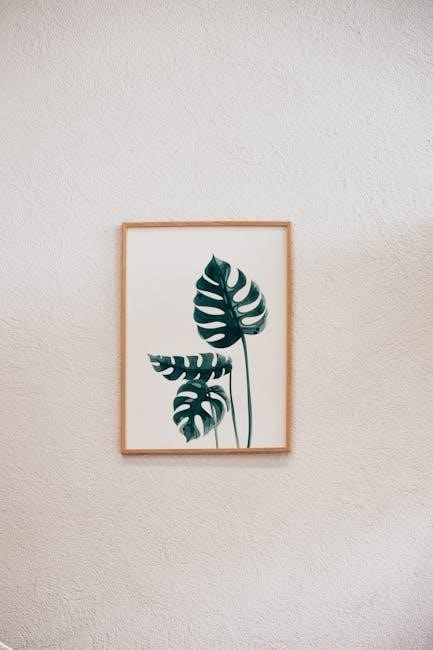
Single Piece Statement Art
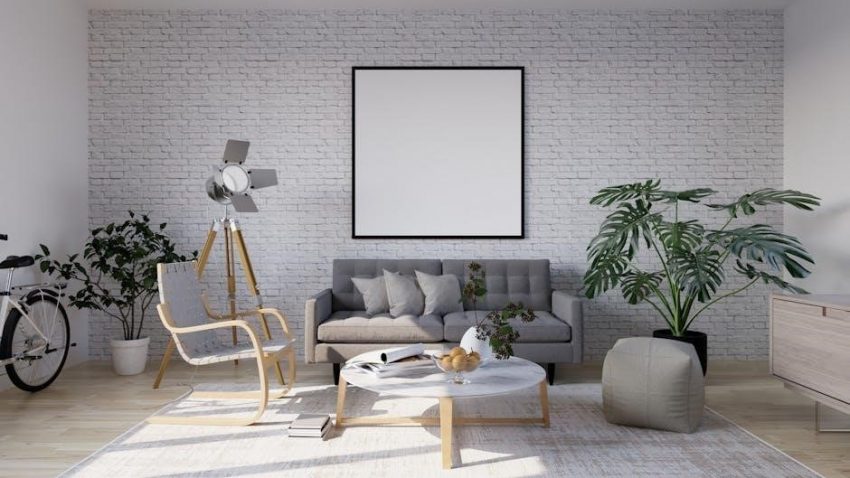
When opting for a single, impactful artwork, size is paramount. This approach aims to create a dramatic focal point, demanding a piece substantial enough to command attention but not so large as to overwhelm the surrounding space. A common mistake is selecting art that’s proportionally too small for the wall it adorns.
Consider the wall’s dimensions – measure both width and height. A good starting point is to ensure the artwork occupies roughly two-thirds of the available wall space. However, this is a guideline, not a rigid rule. Furniture placement is also critical; the artwork should relate to the scale of nearby pieces, like sofas or beds.
Room height and viewing distance play significant roles. Higher ceilings can accommodate larger pieces, while greater viewing distances necessitate larger artwork to maintain visibility. Mixtiles’ blog highlights the importance of perfect sizing for every room. Remember, a bold statement piece requires confidence in its scale – don’t be afraid to go big, but always prioritize balance and proportion.
Gallery Wall Concepts
Gallery walls offer incredible versatility, allowing you to curate a collection reflecting your personal style. However, achieving a cohesive look requires careful planning, particularly regarding size and arrangement. Unlike a single statement piece, gallery walls thrive on a mix of scales and orientations, but a degree of harmony is essential.
Start by defining the overall area you wish to cover. MoMAA’s calculator can assist in determining the number of artworks needed to fill the space effectively. Consider a symmetrical grid for a formal aesthetic, or a more organic, asymmetrical arrangement for a relaxed vibe. Varying frame sizes and artwork dimensions adds visual interest.
Maintain consistent spacing between pieces – typically 2-3 inches – to create a unified look. Abstract House’s guide emphasizes a step-by-step approach to finding the best sizes. Don’t be afraid to experiment with layouts on the floor before committing to hanging. A well-executed gallery wall is a dynamic and engaging display, showcasing your unique taste.
Grouped Arrangement Strategies
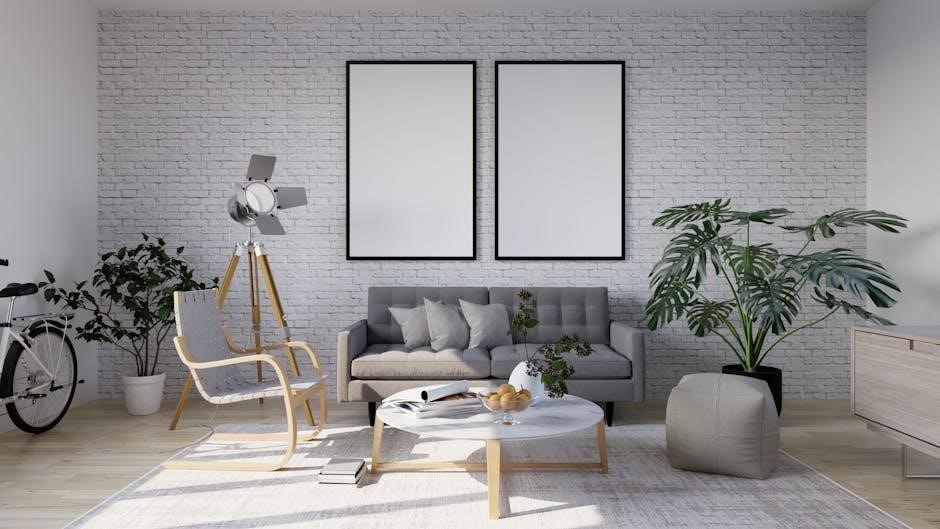
Grouped arrangements differ from gallery walls by focusing on a tighter cluster of artworks, often sharing a common theme or color palette. This approach creates a visual impact similar to a large single piece, but with added texture and depth. Mixtiles’ blog highlights the importance of scale in relation to furniture.
When grouping, consider the “weight” of each piece. Larger artworks should anchor the arrangement, with smaller pieces surrounding them. Artisout’s 5 secrets emphasize visualizing how different sizes appear in a room. Maintain a consistent visual connection – perhaps through similar frames or subject matter – to tie the grouping together.
Odd numbers (3, 5, or 7) often work best for grouped arrangements, creating a more dynamic composition. MoMAA’s calculator can help determine optimal sizes based on the number of artworks. Leave enough space around the grouping to allow it to “breathe,” preventing it from feeling cluttered. A thoughtfully curated group can transform a blank wall into a focal point.
Key Factors Influencing Wall Art Size
Several elements dictate ideal artwork dimensions. Wall space, furniture scale, and viewing distance are crucial, as highlighted by Mixtiles and Artisout. Careful consideration ensures visual harmony!
Wall Dimensions & Space
Accurately measuring your wall is the foundational step in selecting appropriately sized artwork. Before browsing any gallery or utilizing a wall art size calculator, determine the wall’s width and height. Remember to account for any architectural features like windows, doors, or fireplaces that will impact usable wall space.
Consider the overall wall area. A large, expansive wall can comfortably accommodate a statement piece or a substantial gallery wall, while a smaller wall might benefit from a more modestly sized artwork. Leaving adequate “breathing room” around the art – typically 15-25cm (6-10 inches) – prevents a cluttered appearance and allows the piece to truly stand out.
Think about the wall’s purpose. Is it a focal point, or is it intended to complement other elements in the room? A focal wall warrants a larger, more impactful piece, whereas a supporting wall might call for something more subtle. Visualizing the artwork in the space, perhaps using painter’s tape to outline potential sizes, can be incredibly helpful in making the right decision. Don’t underestimate the power of proportion!
Furniture Placement & Scale
The relationship between your wall art and surrounding furniture is crucial for achieving visual harmony. Consider the size and scale of the furniture pieces positioned near the wall. A large sofa, for example, can anchor a substantial artwork above it, while a smaller chair might be better complemented by a more intimate piece.
Maintain a proportional balance. As a general guideline, artwork above furniture should be approximately two-thirds to three-quarters the width of the furniture itself. This creates a visually pleasing ratio. Ensure there’s sufficient vertical space between the furniture and the artwork – typically 15-30cm (6-12 inches) – to prevent a cramped feeling.
Think about the furniture’s height. Lower furniture pieces require artwork placed slightly higher to maintain eye level, while taller furniture may necessitate adjusting the artwork’s placement accordingly. Don’t be afraid to experiment with different arrangements to find what looks best in your space. Remember, the goal is to create a cohesive and balanced aesthetic!
Room Height & Viewing Distance
Room height significantly impacts the perceived scale of wall art. In rooms with higher ceilings, larger artworks can fill the vertical space effectively, preventing the wall from feeling bare. Conversely, smaller rooms benefit from proportionally sized art to avoid overwhelming the area.
Consider the typical viewing distance. How far will people be from the artwork when viewing it? Pieces intended for close viewing, like in a bedroom, can be smaller and more detailed. Artwork in larger spaces, such as living rooms or hallways, requires larger dimensions to be appreciated from a distance.
Eye-level placement is key. Generally, the center of the artwork should be at eye level – approximately 145-152cm (57-60 inches) from the floor. Adjust this slightly based on the room’s function and the average height of occupants. Prioritize comfort and visual accessibility when determining the optimal height and size for your chosen artwork.
Standard Wall Art Size Chart (Inches & Centimeters)
Explore common dimensions! Mixtiles and other sources offer charts detailing typical sizes, ranging from small (under 24 inches) to large (48+ inches), in both inches and centimeters.
Small Wall Art (Under 24 inches)
Ideal for cozy nooks and accent spaces, small wall art – pieces under 24 inches – offers versatility and affordability. These sizes are perfect for adding subtle visual interest without overwhelming a room. Consider utilizing multiple smaller prints to create a charming, curated gallery wall effect, particularly in hallways or smaller bathrooms.
Common dimensions within this category include 8×10 inches, 12×16 inches, and 16×20 inches. These sizes work exceptionally well above console tables, desks, or as part of a larger arrangement. They’re also a fantastic choice for renters or those who like to frequently change their décor, as they are easy to handle and reposition.
When selecting small art, think about the surrounding furniture and décor. A single 8×10 inch print can be beautifully showcased within a larger gallery wall, or stand alone as a delicate accent. Don’t be afraid to mix and match frames and styles to create a personalized look. Remember to maintain consistent spacing between pieces for a polished aesthetic. These smaller pieces are often more budget-friendly, allowing you to experiment with different styles and artists.
Medium Wall Art (24-48 inches)
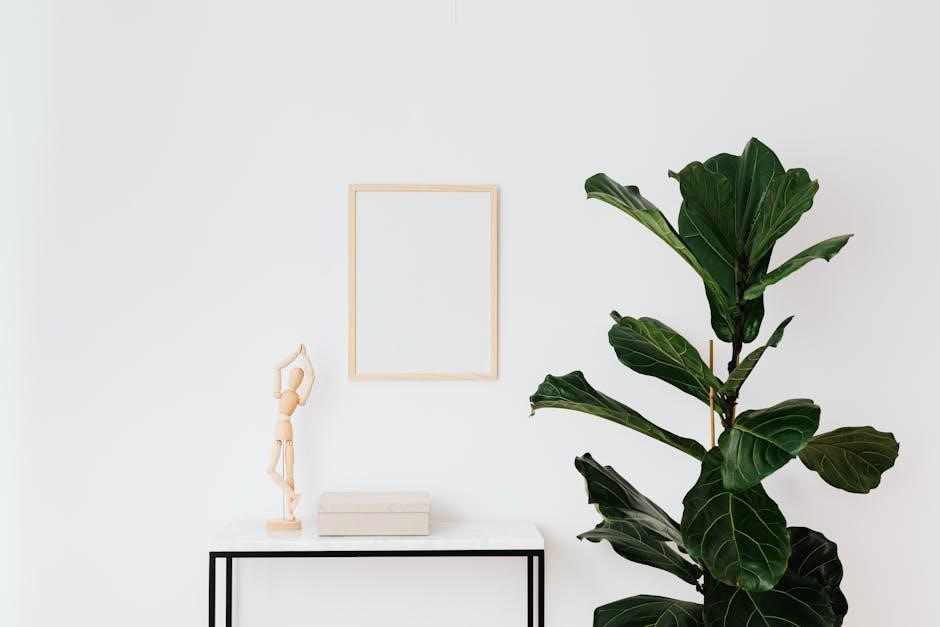
Striking a balance between impact and practicality, medium-sized wall art – ranging from 24 to 48 inches – is a versatile choice for many rooms. These dimensions are well-suited for living rooms, bedrooms, and dining areas, offering a substantial visual presence without dominating the space. They’re often the sweet spot for creating a focal point above sofas, beds, or fireplaces.
Popular sizes within this range include 24×36 inches, 30×40 inches, and 36×48 inches. These pieces command attention and can effectively fill larger wall spaces. Consider the scale of your furniture when selecting medium art; a larger sofa can accommodate a larger piece, while a smaller chair might pair better with something more modest.
When choosing medium art, think about the overall style of your room. A bold, abstract piece can add a contemporary touch, while a landscape painting can create a calming atmosphere. Don’t hesitate to experiment with different frame styles to complement your décor. These sizes offer a good balance between cost and visual impact, making them a popular choice for many homeowners.
Large Wall Art (48 inches and above)
Making a bold statement, large wall art – pieces measuring 48 inches or more – is ideal for spacious rooms and creating dramatic focal points. These impactful artworks are best suited for large living rooms, entryways, or above substantial furniture like king-sized beds or long consoles. They possess the power to transform a blank wall into a captivating art display.
Common sizes in this category include 60×80 inches, 72×96 inches, and even larger custom dimensions. When working with large-scale art, consider the viewing distance; the artwork should be easily appreciated from across the room. Ensure the wall can structurally support the weight of a larger piece, and proper hanging hardware is essential.
Large art often serves as the anchor of a room’s design, influencing the overall aesthetic; Abstract pieces can add a modern edge, while panoramic landscapes can create a sense of depth and tranquility. Don’t be afraid to go oversized – a well-chosen large artwork can elevate your space and become a true conversation starter.
Using a Wall Art Size Calculator
Streamline your selection! Online calculators, like those from MoMAA, simplify sizing by considering artwork style – single pieces, gallery walls, or grouped arrangements – and the number of artworks.
Inputting Artwork Style (Single, Gallery, Grouped)
Accurate input is crucial for effective calculations. When utilizing a wall art size calculator, the first step involves defining your intended arrangement style. MoMAA’s calculator specifically prompts you to choose between a Single Piece statement, a dynamic Gallery Wall, or a cohesive Grouped Arrangement.
Selecting “Single Piece” directs the calculator to focus on finding the optimal dimensions for a solitary artwork, considering wall space and desired impact. For a Gallery Wall, the calculator requires you to specify the number of pieces you envision, influencing the overall layout and individual artwork sizes. This allows for balanced compositions and visual flow.

Choosing “Grouped Arrangement” is ideal for creating curated collections, often above furniture. The calculator then factors in spacing between pieces and the overall grouping’s dimensions. Understanding these distinctions ensures the calculator provides tailored recommendations, maximizing the aesthetic appeal of your chosen wall art style. Incorrect style selection will yield inaccurate results, so careful consideration is key to a successful outcome.
Defining the Number of Artworks
Precisely specifying the quantity of artworks is vital, particularly when planning a gallery wall or grouped arrangement. Wall art size calculators, like the one offered by MoMAA, require a numerical input to accurately determine optimal dimensions. This number directly impacts the spacing and overall scale of the display.
For gallery walls, consider the visual weight and balance you desire. A larger number of smaller pieces creates a more intricate and dynamic display, while fewer, larger pieces offer a bolder statement. The calculator uses this input to suggest a size distribution, ensuring a cohesive look.
With grouped arrangements, the number of artworks influences the overall impact above furniture. Accurate input allows the calculator to recommend sizes that complement the furniture’s scale and the wall’s dimensions. Remember, a precise count is essential for generating a realistic visual representation and a detailed summary of ideal artwork sizes, ensuring a harmonious and well-planned aesthetic.
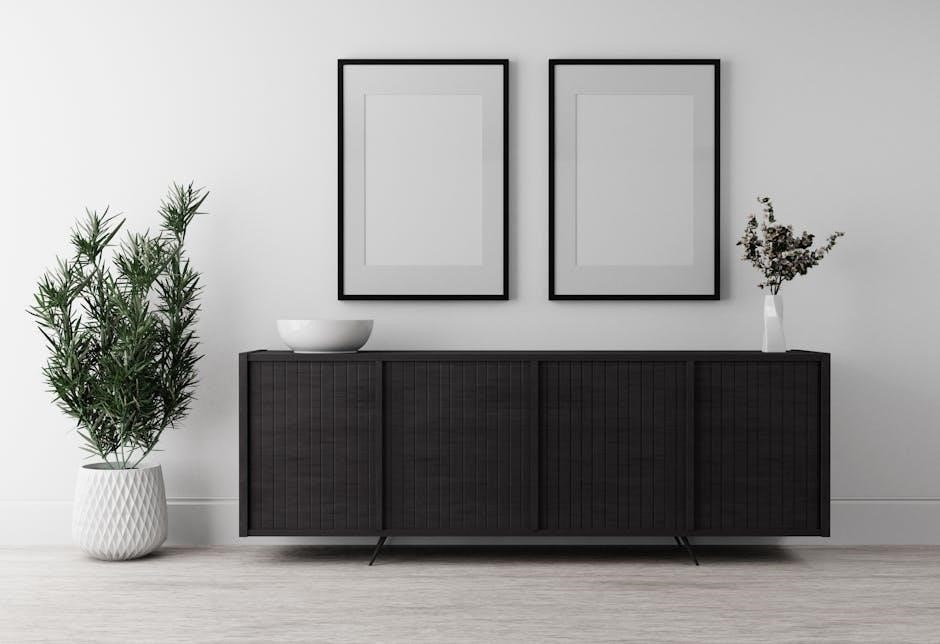
Interpreting Size Calculation Results
Once the wall art size calculator processes your inputs, a detailed summary and often a visual representation will be generated. MoMAA’s calculator, for example, provides a size distribution chart alongside the overall recommendations. Understanding this output is crucial for successful implementation.
The summary will typically outline ideal dimensions for each artwork, considering your chosen style (single piece, gallery, or grouped) and the number of pieces; Pay close attention to both inches and centimeters for accurate purchasing. The size distribution chart, particularly useful for gallery walls, indicates how many pieces should fall within specific size ranges.
Review these results carefully, visualizing how the suggested sizes will interact with your wall space and furniture. Don’t hesitate to experiment with slight adjustments based on your personal preferences. The calculator provides a strong foundation, but your aesthetic vision remains paramount. Use the results to confidently plan and execute your wall art display.